Supporting Daily Productivity

Practical strategies for managing your work routine through break practices

Building an Effective Break Schedule

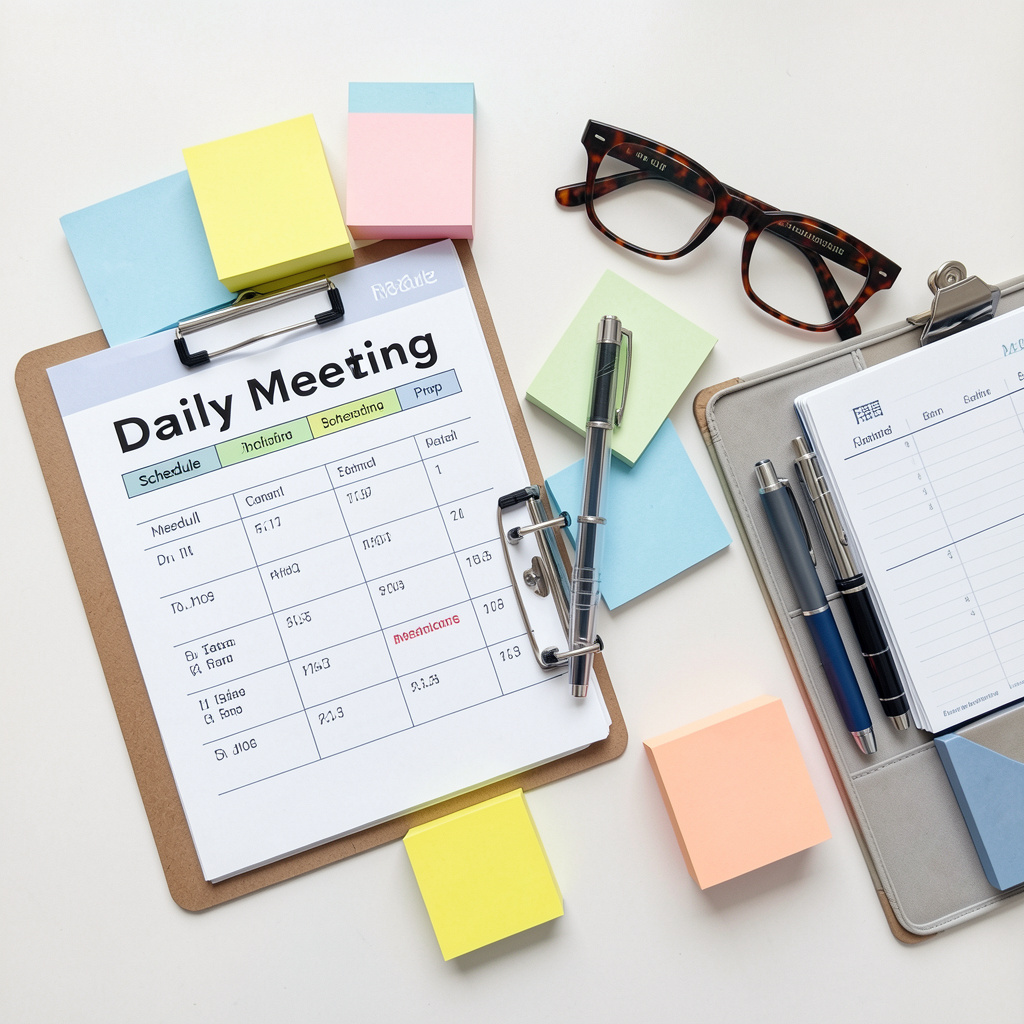
Professional planning daily schedule with break intervals for productivity support

Understanding Your Work Patterns

The foundation of a break schedule lies in understanding your personal energy patterns and work rhythms. Everyone has different peak performance times and natural fluctuations in focus throughout the day.

Begin by observing your energy levels and concentration at different times. Notice when you feel most alert and focused, and when you experience natural dips in energy or attention. This awareness allows you to structure your breaks around these patterns.

Consider the nature of your work tasks as well. Cognitively demanding activities may benefit from more frequent breaks than routine tasks, while creative work might work well with longer periods of uninterrupted focus followed by substantial break periods.

Structuring Your Day

A well-structured day balances periods of focused work with breaks. The specific structure will vary based on individual needs and work requirements, but certain principles can apply.

  • Start your day with your most important or challenging tasks when energy may be highest
  • Schedule breaks before you feel fatigued rather than waiting until exhaustion sets in
  • Use longer breaks for meals and mental recovery
  • Incorporate micro-breaks throughout intensive work periods
  • Plan break activities that complement your work
  • Maintain consistency in your schedule to build habits

Maximizing Break Effectiveness

Physical Movement

Incorporating physical activity into breaks provides multiple benefits for both body and mind.

  • Take short walks to increase blood flow and oxygen to the brain
  • Practice simple stretching exercises to release muscle tension
  • Change your physical environment to stimulate different sensory inputs
  • Use stairs or engage in light movement activities

Mental Disengagement

True breaks require stepping away from work-related thoughts and activities.

  • Avoid checking work emails or messages during breaks
  • Engage in activities unrelated to your work tasks
  • Practice mindfulness or brief relaxation techniques
  • Allow your mind to wander without specific goals

Social Connection

Brief social interactions during breaks can provide emotional refreshment and perspective.

  • Have casual conversations with colleagues or friends
  • Share experiences or ideas unrelated to work pressures
  • Build supportive relationships through regular interactions
  • Balance social breaks with solitary recovery time

Environmental Change

Changing your physical environment during breaks enhances their restorative effect.

  • Step outside for fresh air and natural light exposure
  • Move to a different room or area of your workspace
  • Engage with nature when possible for additional benefits
  • Create distinct separation between work and break spaces

Overcoming Common Challenges

Time Pressure and Deadlines

When facing tight deadlines, the temptation to skip breaks can be strong. However, this approach may backfire, potentially leading to decreased efficiency and increased errors that require additional time to correct.

Even during high-pressure periods, brief breaks can help maintain the mental clarity needed for efficient work. Consider shorter but more frequent breaks when time is limited, helping you maintain cognitive function without significant time investment.

Planning your work to include breaks from the outset, rather than treating them as optional, helps ensure they remain part of your routine even during busy periods.

Workplace Culture

Some work environments may not actively support break-taking, creating social pressure to work continuously. Addressing this challenge requires both personal commitment and potentially advocating for culture change.

Lead by example, demonstrating that regular breaks enhance rather than diminish productivity. Share your positive experiences with colleagues and, when appropriate, discuss the research supporting break practices with management.

Remember that taking care of your cognitive resources benefits both you and your organization through improved work quality and sustained performance.

Guilt and Productivity Concerns

Many people experience guilt when taking breaks, feeling they should be working instead. This mindset stems from equating time spent at work with productivity, rather than recognizing that work can benefit from periods of recovery.

Consider reframing breaks as productivity tools rather than time away from work. The improved focus, creativity, and efficiency that may come from breaks can compensate for the time invested in them.

Track your productivity with and without regular breaks to provide concrete evidence of their value. Many people find they accomplish more in less time when incorporating breaks into their routine.

Tools and Techniques

Practical Implementation Methods

Various tools and techniques can help you implement and maintain an effective break schedule. The key is finding approaches that work with your personal style and work environment.

Timer-Based Approaches

Using timers or applications to structure work and break periods removes the need for constant decision-making about when to take breaks. Popular methods include working in focused intervals followed by short breaks, with longer breaks after several cycles.

Digital tools can provide reminders and track your adherence to break schedules, helping build consistent habits over time. Many applications offer customizable intervals to match your personal preferences and work requirements.

Natural Break Points

Alternatively, you can structure breaks around natural transition points in your work, such as completing a task, finishing a meeting, or reaching a logical stopping point in a project.

This approach provides flexibility while helping ensure breaks occur regularly throughout the day. The key is maintaining awareness of time and ensuring breaks happen at reasonable intervals rather than being indefinitely postponed.

Activity-Based Breaks

Planning specific activities for breaks can make them more useful and easier to implement. Having a repertoire of break activities prevents decision fatigue and helps you use break time well.

  • Create a list of 5-minute, 10-minute, and 15-minute break activities
  • Vary activities to address different needs throughout the day
  • Include both active and restful break options
  • Prepare break activities in advance to minimize transition time
  • Adjust activities based on energy levels and work demands

All materials and practices presented are for educational and informational purposes only and are intended to support general well-being. They do not constitute medical diagnosis, treatment, or advice. Before applying any practice, especially if you have chronic conditions, consult a qualified healthcare professional.